
Afghanistan Tour Guide 2026: Discovering the Reborn Land of Mountains and Heritage — Travel Explorer
Explore Afghanistan in 2026 with Travel Explorer’s ultimate guide — from the valleys of Bamiyan to Kabul’s rebirth, discover culture, safety, travel tips, and the hidden beauty of this resilient nation.
ASIA
10/27/20254 min read
🌄 Introduction: Afghanistan — The Land of Endless Mountains and Untold Stories
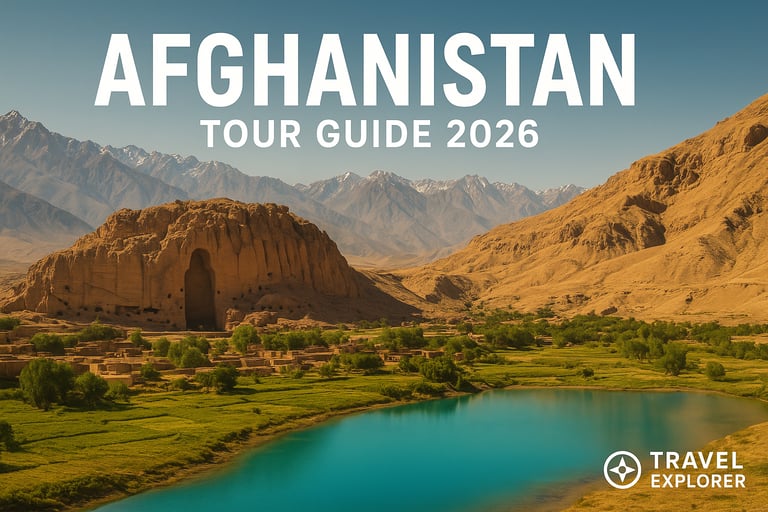
Once known only for its turbulent past, Afghanistan in 2026 is rising again — a land of unmatched natural beauty, ancient culture, and resilient people ready to share their story with the world. From the snow-capped Hindu Kush mountains to the turquoise lakes of Band-e Amir, this country is redefining itself as an offbeat travel destination for explorers seeking authenticity over luxury.
With reforms, gradual stability, and growing eco-tourism, Afghanistan is becoming a place where adventure seekers, historians, and photographers can find raw, untouched experiences unlike anywhere else on Earth.
🕌 1. Why Visit Afghanistan in 2026?
Afghanistan has always been a land of contrasts — harsh yet breathtaking, ancient yet youthful. In 2026, the country is slowly opening its borders for global travelers who want to explore:
Rich History: From the Silk Road to Alexander the Great, Afghanistan has been a crossroads of civilizations.
Natural Wonders: Deep valleys, desert plateaus, blue lakes, and towering peaks await explorers.
Cultural Revival: Traditional Afghan art, music, and food are making a comeback in safer urban regions.
Adventure Tourism: Trekking, camping, and eco-tours are rising in the Wakhan Corridor and Bamiyan.
For those looking for genuine adventure and untouched beauty, Afghanistan is no longer a forbidden land — it’s a rediscovered one.
🏔️ 2. Best Places to Visit in Afghanistan (2026 Edition)
1. Kabul — The City of Revival
Kabul, once war-torn, is now quietly reviving its cultural heartbeat. The National Museum of Afghanistan and Babur’s Gardens symbolize the city’s resilience. Cafés are reopening, art scenes are emerging, and new small businesses welcome tourists with Afghan tea and smiles.
2. Bamiyan — The Heart of Peace
Famous for the ancient Buddhas of Bamiyan, the region is now known for its serenity and stunning Band-e Amir National Park — a UNESCO-listed site with crystal-clear lakes surrounded by cliffs. It’s one of the safest and most scenic spots for travelers.
3. Herat — The Mini Persia
Herat’s stunning blue mosques, like the Friday Mosque of Herat, showcase Persian architecture at its best. The city offers a peaceful atmosphere and gives travelers insight into Afghanistan’s Islamic Golden Age.
4. Mazar-e-Sharif — The City of Blue
Home to the Blue Mosque (Shrine of Hazrat Ali), this city feels like a living painting. Every year, thousands visit during Nawruz (Persian New Year) celebrations.
5. Wakhan Corridor — For True Explorers
This narrow strip of land between Tajikistan and Pakistan offers raw adventure: yaks grazing in alpine meadows, friendly Wakhi villagers, and unspoiled mountain trails.
🧭 3. Safety and Travel Tips for 2026
While Afghanistan is improving, safety remains the top concern. Here’s what 2026 travelers must remember:
Travel with a licensed guide — many local agencies now operate legally and ensure security.
Avoid border zones and regions still under military control.
Stick to approved tourist corridors like Bamiyan, Herat, and the Wakhan Corridor.
Dress modestly and respect local customs — Afghanistan remains deeply traditional.
Learn basic Dari or Pashto greetings — it’s a sign of respect and opens hearts instantly.
For safety, always register your presence with your embassy and keep local emergency numbers handy.
🕌 4. Afghan Culture and People
Afghan hospitality is legendary. Known as “Melmastia”, their tradition of welcoming guests is deeply rooted. When visiting, expect to be offered green tea, dry fruits, or a meal — refusing is seen as impolite.
Languages: Dari and Pashto are the two main languages.
Religion: Islam dominates, but the diversity of ethnic groups (Tajiks, Pashtuns, Hazaras, Uzbeks) enriches every interaction.
Traditional Clothing: Colorful dresses and turbans remain common, especially in rural regions.
Fun fact: Afghan rugs are world-famous, handwoven with centuries-old techniques — a true symbol of patience and skill.
🍛 5. Afghan Cuisine — A Taste of the Mountains
Afghan food is a flavorful mix of Central Asian, Persian, and Indian influences. When visiting, don’t miss:
Kabuli Pulao: Fragrant rice with lamb, raisins, and carrots — Afghanistan’s national dish.
Mantu: Dumplings stuffed with meat and onions, served with yogurt and lentil sauce.
Bolani: Crispy flatbread stuffed with potatoes or spinach, perfect street food.
Sheer Yakh: Traditional Afghan ice cream with pistachios and cardamom.
Eating together in Afghanistan is a symbol of unity — it’s how families and strangers connect.
🚗 6. How to Travel Around Afghanistan in 2026
Transport is improving, especially between major cities like Kabul, Herat, and Mazar.
Domestic Flights: Ariana Afghan Airlines and Kam Air operate internal routes safely.
Private Vehicles: Hiring a local driver/guide is safer than self-driving.
Public Buses: Avoid long-distance public transport due to security risks.
Wakhan Region: Trekking or horseback riding remains the best way to explore.
Always check local advisories before moving between provinces.
💰 7. Currency, Cost & Budget
Currency: Afghan Afghani (AFN)
Exchange Rate (approx. 2026): 1 USD = 72 AFN
Daily Budget Estimate:
Budget Traveler: $40/day
Mid-range: $80–$120/day
Luxury: $200+/day
Afghanistan is affordable for most travelers, but expect limited luxury accommodation outside main cities.
📷 8. Photography and Etiquette
Always ask before taking photos, especially of women or religious sites.
Drone usage requires government permission.
Locals love being photographed once they feel comfortable — show your pictures afterward as a gesture of kindness.
🌍 9. Visa and Entry Requirements (2026 Update)
As of 2026, Afghanistan’s tourism policy is slowly modernizing:
E-visas are expected to launch late 2026.
Tourist visas available at Afghan embassies (up to 30 days).
Invitation letter or guide confirmation is often required.
Proof of accommodation and return flight must be shown at entry.
Always confirm visa updates through official embassy sources before travel.
🌤️ 10. Best Time to Visit Afghanistan
Spring (March–May): Ideal weather; blooming valleys.
Autumn (September–November): Great for trekking and photography.
Winter (December–February): Snow sports possible in Bamiyan!
Summer can be hot, especially in southern areas like Kandahar.
💬 11. Responsible Tourism in Afghanistan
Tourism here isn’t just sightseeing — it’s helping rebuild communities. Travelers can support Afghanistan’s local economy by:
Staying in locally-owned guesthouses
Buying handmade carpets and jewelry
Eating at local family-run restaurants
Respecting traditions and dress codes
Your presence as a respectful traveler helps Afghans rebuild pride in their land and culture.
🧳 12. What to Pack
Lightweight modest clothing
Warm jackets for mountain regions
Headscarf for women (required in public)
Sturdy trekking shoes
Travel insurance (mandatory)
Power bank & local SIM card (Roshan or MTN)
🌏 13. Connectivity and Internet
Internet in Afghanistan is improving — major cities now have 4G coverage, while mountain regions remain offline. Expect patchy connectivity in rural areas, but digital nomads can still find coworking cafés in Kabul and Herat.
🕊️ 14. Afghanistan’s Future of Tourism
By 2026, international organizations are partnering with Afghan entrepreneurs to promote eco-tourism and protect heritage sites. Projects in Bamiyan and the Wakhan Corridor are focused on sustainable, community-led tourism — ensuring locals benefit directly from travel growth.
The dream is simple: to replace the image of war with one of wonder.
🏁 Conclusion: The Road to Rediscovery
Afghanistan in 2026 is not a typical vacation spot — it’s a journey into resilience, courage, and culture. For travelers willing to go beyond headlines, this land offers experiences money can’t buy — warm smiles, untouched nature, and the feeling of discovering history where it was born.
As the world slowly rediscovers Afghanistan, those who visit now become the first storytellers of its new chapter.
📍Reference: Travel Explorer
Your trusted source for global travel insights and guides — uncovering the world’s most underrated destinations.
© 2026. All rights reserved.