
Afghanistan Travel Guide 2026 — A Journey into History, Beauty & Resilience | Travel Explorer
Discover Afghanistan in 2026 — a country of breathtaking landscapes, ancient culture, and newfound hope. Travel Explorer uncovers safety tips, must-visit destinations, and what it’s really like to explore Afghanistan today.
ASIA
10/31/20254 min read
Afghanistan Travel Guide 2026: A Journey into History, Beauty & Resilience
Afghanistan — a name that evokes both awe and apprehension — is stepping into 2026 with a blend of heritage revival and a renewed spirit of hospitality. Once a vital link along the Silk Road, this nation’s mountains, deserts, and cities whisper tales of ancient empires and indomitable courage. In this Travel Explorer special, we explore whether Afghanistan is ready to welcome travelers again, and what makes it one of the most intriguing destinations of 2026.
1. Afghanistan’s Changing Image in 2026
After years of turmoil, Afghanistan is gradually returning to stability. Regions like Kabul, Bamiyan, and Herat are showing signs of peace and controlled tourism under local supervision. There’s a cautious optimism among residents and local tour operators.
The Afghan government and private tourism firms are investing in guided tours, secure transportation, and cultural awareness programs to attract international travelers seeking raw authenticity rather than commercial comfort.
2. Best Time to Visit Afghanistan in 2026
The best time to explore Afghanistan is between April and October. The weather during these months is moderate — perfect for trekking in Bamiyan, exploring Herat’s mosques, or strolling through Kabul’s bazaars.
Seasonal Highlights:
Spring (March–May): Blossoming valleys, ideal for photography and heritage walks.
Summer (June–August): Best for mountain treks and cooler regions like Bamiyan.
Autumn (September–October): Cultural festivals and carpet markets thrive in full color.
3. Visa and Entry Requirements
In 2026, Afghanistan has simplified its e-visa process for select countries. Travelers can apply online through official Afghan tourism portals. However, approval depends on your purpose of visit and local sponsorships in some regions.
Documents Required:
Valid passport (minimum 6 months)
Return ticket proof
Hotel or local sponsor confirmation
Travel insurance
Tip: Always double-check travel advisories before confirming flights.
4. Is Afghanistan Safe for Tourists in 2026?
Safety in Afghanistan still varies by region. While major cities like Kabul, Bamiyan, and Herat are relatively calm, rural areas might pose risks due to political instability.
Safety Tips:
Travel with registered local guides.
Avoid solo night travel or rural areas without permission.
Stay updated on local curfews or advisories.
Dress modestly and respect cultural customs.
Many embassies now issue limited travel clearance for historical and religious sites under escorted conditions.
5. Top Tourist Attractions in Afghanistan (2026)
Despite its struggles, Afghanistan’s charm lies in its untouched history and rugged landscapes.
1. Bamiyan Valley
Once home to the world’s tallest Buddha statues, the valley is now a UNESCO World Heritage Site. Trekkers visit for the serene cliffs and peaceful local life.
2. Herat Citadel
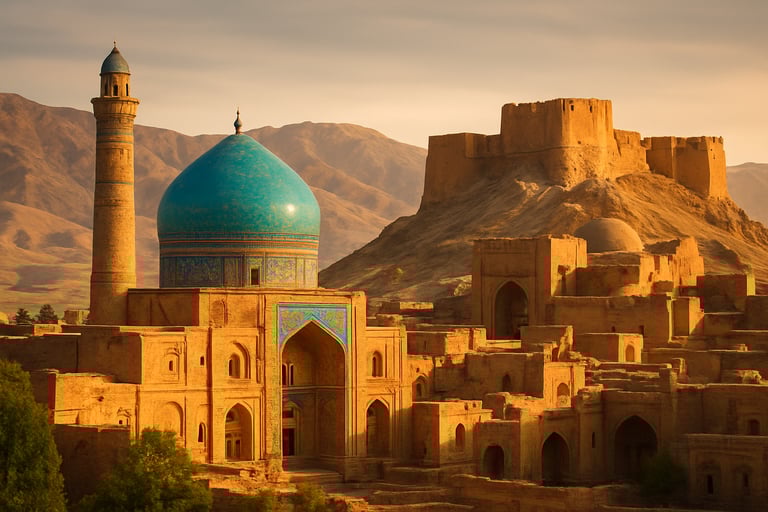
This 330 BC fortress is a masterpiece of Persian architecture, restored beautifully with mosaic tiles and turquoise domes.
3. Band-e Amir National Park
Known as “Afghanistan’s Grand Canyon,” this park offers crystal-blue lakes surrounded by limestone cliffs — a favorite for nature lovers.
4. Kabul
The capital city blends chaos and charm. Visit the National Museum, Chicken Street Market, and Babur Gardens for glimpses of Afghan resilience.
5. Minaret of Jam
Hidden in central Afghanistan, this 12th-century marvel towers over the Hari River valley, symbolizing the Ghurid Empire’s glory.
6. Afghan Food & Hospitality
Afghanistan’s cuisine is a reflection of its culture — flavorful, hearty, and full of warmth.
Must-Try Dishes:
Kabuli Pulao: The national dish, a fragrant rice meal topped with raisins and lamb.
Mantu: Steamed dumplings filled with spiced meat and yogurt sauce.
Bolani: Stuffed flatbread, popular among street vendors.
Chai-e-Sabz (Green Tea): Served everywhere, symbolizing friendship.
The Afghan people are famously hospitable. Even in remote regions, guests are treated with respect and generosity, making it a deeply human experience.
7. Culture & Etiquette for 2026 Travelers
Afghanistan is deeply traditional. Respect for local customs is essential to travel safely and meaningfully.
Etiquette Essentials:
Dress conservatively — women should wear headscarves in rural areas.
Avoid public displays of affection.
Always ask before photographing people, especially women.
Learn a few Dari or Pashto greetings — locals appreciate the effort.
Fun Fact: Afghans believe in “Mehman Nawazi,” the sacred duty of hospitality.
8. Transportation in Afghanistan
Domestic travel is limited but improving.
Options:
Flights: Kam Air operates local flights between major cities.
Private Cars: Best for exploring heritage routes with local guides.
Taxis: Available in Kabul and Herat; negotiate before boarding.
Avoid public buses, as they’re often overcrowded and unreliable.
9. Budget and Costs in 2026
Afghanistan remains affordable for international travelers.
Average Daily Expenses:
Budget traveler: $40–60
Mid-range: $80–120
Luxury: $150+
Accommodation ranges from guesthouses to modern hotels in Kabul. Expect fewer amenities in rural areas but unmatched authenticity.
10. Internet & Communication
Wi-Fi access is growing, particularly in cities. 4G coverage is limited but available through providers like Roshan and Etisalat Afghanistan.
Pro Tip: Carry a local SIM for connectivity and emergency updates.
11. Festivals & Cultural Experiences
Despite its history, Afghanistan celebrates life vibrantly.
Popular Festivals:
Nowruz (Persian New Year): March 21, celebrated with flowers and feasts.
Independence Day: August 19, with parades and national pride.
Mela-e-Gul-e-Surkh: Spring festival in Mazar-i-Sharif celebrating tulip blooms.
Each event offers a glimpse into Afghan joy and resilience.
12. Photography & Exploration Tips
Afghanistan is a paradise for photographers. The landscapes, people, and architecture tell stories of survival and strength.
Tips:
Use natural light for portraits.
Always get verbal consent before clicking pictures.
Avoid photographing military areas.
13. Real Traveler Reviews (2026)
Many travelers describe Afghanistan as “the last unexplored frontier.” While infrastructure is basic, the emotional and cultural reward is immense.
“Afghanistan changed how I see the world. Every smile, every chai cup was a story.” — Travel Explorer reader testimonial, 2026
14. Why Visit Afghanistan in 2026?
Because it’s real. Afghanistan doesn’t offer polished luxury but an unforgettable human experience. For history lovers, adventure seekers, and cultural explorers, this country provides raw, unfiltered travel.
Traveling here is not about ticking off destinations — it’s about connecting with courage, faith, and endurance.
15. Final Verdict: Should You Travel to Afghanistan in 2026?
If you crave authenticity and are ready for guided exploration with safety in mind — yes, Afghanistan is worth it.
However, spontaneous backpacking without planning is still not recommended.
The beauty of Afghanistan lies in its contradictions — ancient yet hopeful, scarred yet smiling. As 2026 unfolds, it’s a destination calling for respect, not rush.
Travel Explorer — Your Trusted 2026 Travel Companion
Explore fearlessly. Discover deeply. Travel responsibly.
© 2026. All rights reserved.