
Bolivia Tour Guide 2026 – A Journey Through South America’s Hidden Gem | Travel Explorer
Discover Bolivia in 2026 with our complete Travel Explorer guide! Explore its breathtaking mountains, salt flats, ancient ruins, vibrant festivals, and local culture.
SOUTH AMERICA
10/29/20255 min read
Bolivia Tour Guide 2026: Discover the Soul of South America
Bolivia is one of South America’s most fascinating yet underrated travel destinations. With its dramatic landscapes ranging from the vast salt flats of Uyuni to the emerald jungles of the Amazon, Bolivia promises an adventure unlike any other. As we head into 2026, the country continues to draw travelers seeking authentic experiences, vibrant culture, and unspoiled nature. This Travel Explorer guide will help you plan the ultimate Bolivian adventure—covering where to go, what to see, when to visit, and how to make the most of your journey.
1. Why Visit Bolivia in 2026
Bolivia stands as a true representation of South American diversity. In 2026, improved infrastructure and eco-tourism programs have made traveling across the country easier and more rewarding. From the surreal mirror effect of Salar de Uyuni to the historic cities of La Paz and Sucre, Bolivia blends natural beauty with indigenous heritage. The country is also budget-friendly, making it perfect for both backpackers and culture seekers.
2026 is shaping up to be a fantastic year for tourism, with new cultural festivals, upgraded train routes, and the continued rise of community-led tourism initiatives that connect travelers directly with local Aymara and Quechua communities.
2. Top Places to Visit in Bolivia 2026
a. La Paz – The City in the Clouds
La Paz, one of the world’s highest capitals, sits at over 3,600 meters above sea level. The city offers a unique mix of modern life and indigenous culture. Take a ride on the Mi Teleférico cable car for panoramic views, wander through the Witches’ Market for traditional potions, and visit the stunning Valley of the Moon.
b. Salar de Uyuni – The World’s Largest Salt Flat
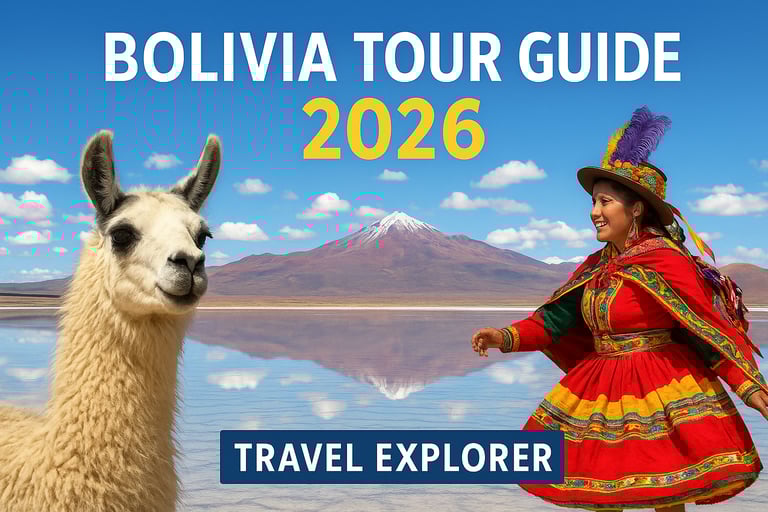
Salar de Uyuni is Bolivia’s crown jewel. During the wet season (December to March), the salt flats turn into a giant mirror reflecting the sky. In the dry season, you can explore the vast hexagonal salt patterns and stay in one of the famous salt hotels. Don’t miss the nearby Isla Incahuasi, covered in giant cacti.
c. Sucre – The White City
Known as Bolivia’s constitutional capital, Sucre charms visitors with its colonial architecture, museums, and laid-back vibe. The city’s whitewashed buildings and cobbled streets give it a peaceful feel. Sucre is also the perfect spot to learn Spanish, thanks to its friendly locals and affordable language schools.
d. Potosí – The Silver City
Once one of the richest cities in the world, Potosí’s Cerro Rico mine shaped global history. Visiting the old silver mines gives you a glimpse into the harsh lives of miners, both past and present. The colonial center, with its baroque churches, is a UNESCO World Heritage Site.
e. Lake Titicaca – Sacred and Stunning
Straddling the border with Peru, Lake Titicaca is the world’s highest navigable lake. The Bolivian side features Copacabana and Isla del Sol—believed to be the birthplace of the Inca civilization. Stay overnight to enjoy peaceful sunsets and starry skies.
f. The Amazon Basin – Bolivia’s Green Heart
Bolivia’s Amazon is less crowded than its Brazilian counterpart but equally rich in biodiversity. Visit Rurrenabaque for eco-lodges, jungle treks, and river safaris. The Madidi National Park is a top highlight for wildlife enthusiasts.
g. The Death Road – For Adventure Lovers
For thrill-seekers, biking down the “Death Road” (Yungas Road) from La Paz is a must. While the name sounds intimidating, safety measures have improved, and it’s now one of the most exciting and scenic downhill rides in South America.
3. Best Time to Visit Bolivia
Bolivia’s weather varies with altitude and region. Generally, May to October (the dry season) is the best time to visit. This period offers clear skies and ideal conditions for exploring the salt flats, mountains, and cities.
If you’re interested in festivals, visit during February for the famous Oruro Carnival, a UNESCO-recognized cultural celebration filled with dance, music, and colorful costumes.
4. Cultural Experiences in Bolivia
Bolivia’s cultural roots run deep, with over 30 indigenous groups maintaining their traditions.
Here are some cultural experiences not to miss:
Oruro Carnival (February): One of South America’s biggest festivals, showcasing Bolivia’s folklore through dance and costumes.
Tiwanaku Ruins: An ancient pre-Incan archaeological site that reveals Bolivia’s historical significance.
Local Markets: Visit the markets in Cochabamba or La Paz to buy textiles, alpaca sweaters, and hand-carved crafts.
Traditional Cuisine: Taste salteñas (Bolivian empanadas), llama steak, quinoa soup, and mocochinchi (a local peach drink).
5. Adventure Activities in Bolivia
Bolivia is an adventurer’s paradise. You can:
Hike the Cordillera Real mountains.
Explore the Uyuni desert by 4x4.
Go sandboarding in Lomas de Arena near Santa Cruz.
Take a jungle tour in Madidi National Park.
Bike down the Death Road for adrenaline rushes and stunning views.
6. Bolivian Cuisine – A Taste of the Andes
Bolivian food reflects the country’s geography and indigenous heritage. Don’t miss:
Salteñas: Baked pastries filled with meat, potatoes, and eggs.
Silpancho: A hearty dish of rice, beef, eggs, and potatoes.
Api and Buñuelos: A popular breakfast combo – hot corn drink with fried dough.
Quinoa Soup: A nutritious Andean specialty.
Chicha: A traditional corn-based drink enjoyed in rural areas.
7. Transportation and Getting Around in 2026
Travel in Bolivia is becoming easier, thanks to improved infrastructure. Here’s what you need to know:
Air Travel: Domestic flights connect major cities like La Paz, Sucre, Santa Cruz, and Uyuni.
Buses: The most common mode of transport; look for comfortable companies like Todo Turismo for long trips.
Trains: The Expreso del Sur and Wara Wara del Sur trains offer scenic routes between Oruro and Uyuni.
Taxis: Always agree on a price before getting in, as most don’t use meters.
Cable Cars: La Paz’s Mi Teleférico network is an affordable and beautiful way to see the city.
8. Safety and Travel Tips
Bolivia is relatively safe, but always take precautions:
Acclimatize slowly to avoid altitude sickness.
Keep valuables secure, especially in markets.
Avoid traveling at night in rural areas.
Drink bottled or purified water.
Learn basic Spanish – it helps a lot in rural areas.
9. Suggested Itinerary for 10 Days in Bolivia
Day 1–2: Arrive in La Paz – explore city and cable car network.
Day 3–4: Visit Lake Titicaca and Isla del Sol.
Day 5–6: Head to Uyuni for salt flats adventure.
Day 7: Travel to Potosí – mine tours and colonial sites.
Day 8–9: Discover Sucre’s museums and markets.
Day 10: Return to La Paz or continue to Rurrenabaque for Amazon exploration.
10. Budget and Costs
Bolivia is among the most affordable countries in South America.
Average daily cost: $30–$50 (mid-range).
Accommodation: Hostels from $10/night; mid-range hotels $40–$80.
Food: Street meals $3–$5; restaurant meals $10–$15.
Tours: Uyuni Salt Flats 3-day tour around $120–$150.
Transport: Buses $5–$20 depending on distance.
11. Visa Information (2026)
Most European, U.S., and Indian travelers can enter Bolivia visa-free for up to 30–90 days.
Always carry a return ticket and proof of sufficient funds.
Entry requirements may change, so check with the Bolivian consulate before your trip.
COVID-19 travel restrictions have been lifted, but health insurance is recommended.
12. Eco-Tourism and Responsible Travel
Bolivia is deeply connected to nature, and eco-tourism is booming in 2026.
You can:
Stay in eco-lodges in the Amazon.
Book community-run tours supporting indigenous families.
Avoid littering in protected areas like Uyuni or Madidi.
Buy locally-made crafts to support artisans.
13. Festivals and Events in 2026
Bolivia’s festivals are loud, colorful, and full of energy:
Oruro Carnival (February) – Music, dance, and folklore.
Aymara New Year (June 21) – Celebrated at sunrise in Tiwanaku.
Virgen de Urkupiña Festival (August) – Religious parades and traditional dance in Cochabamba.
All Saints’ Day (November 1–2) – Family gatherings and food offerings for ancestors.
14. Hidden Gems of Bolivia
Torotoro National Park: Caves, dinosaur footprints, and canyons.
Samaipata: Pre-Inca ruins and scenic landscapes.
Tupiza: Red rock formations, great for horse riding.
Sajama National Park: Snow-capped volcanoes and thermal springs.
15. Final Thoughts – Why Bolivia Should Be on Your 2026 Bucket List
Bolivia offers the perfect mix of adventure, culture, and affordability. From the high Andean peaks to the lush rainforests, it’s a land where every corner tells a story. Whether you’re chasing reflection shots in Uyuni, hiking among llamas in the Andes, or immersing yourself in local festivals, Bolivia is bound to leave you spellbound.
2026 is the year to experience the real South America — raw, colorful, and full of life.
Pack your bags, keep your camera ready, and let Travel Explorer guide you through this unforgettable journey into Bolivia’s heart.
© 2026. All rights reserved.