
Captivating Croatia 2026: Adriatic Dreams & Timeless Beauty – Travel Explorer Edition
Dive into Croatia’s coastal charm and historical treasures with the Travel Explorer 2026 Guide. From Dubrovnik’s medieval walls to the crystal Adriatic islands, explore one of Europe’s most enchanting destinations.
EUROPE
10/19/20253 min read
Captivating Croatia 2026: Adriatic Dreams & Timeless Beauty – Travel Explorer Edition
Croatia in 2026 feels like Europe before it became rushed. It’s refined without being rigid, beautiful without being overwhelming, and popular without losing its soul. Along the Adriatic coast, time slows down. Stone cities glow at sunset, island life moves on its own rhythm, and the sea feels impossibly clear.
For a Travel Explorer, Croatia isn’t about checking famous places off a list. It’s about immersion. It’s about letting history, nature, and daily life blend naturally into one experience that stays with you long after you leave.
Why Croatia in 2026 Is a Must-Visit
By 2026, Croatia has reached a rare moment in its travel journey. The country is well connected, easy to navigate, and comfortable for international travelers, yet it hasn’t crossed into over-commercialization.
Tourism regulations and improved crowd distribution have pushed exploration beyond a few famous cities. This means quieter towns, calmer beaches, and deeper experiences for travelers who know where to look.
From a Travel Explorer point of view, Croatia offers:
Strong infrastructure without losing authenticity
Natural beauty that feels untouched
Rich history integrated into everyday life
A relaxed travel pace rarely found in Europe
The Adriatic Coast: Croatia’s Greatest Treasure
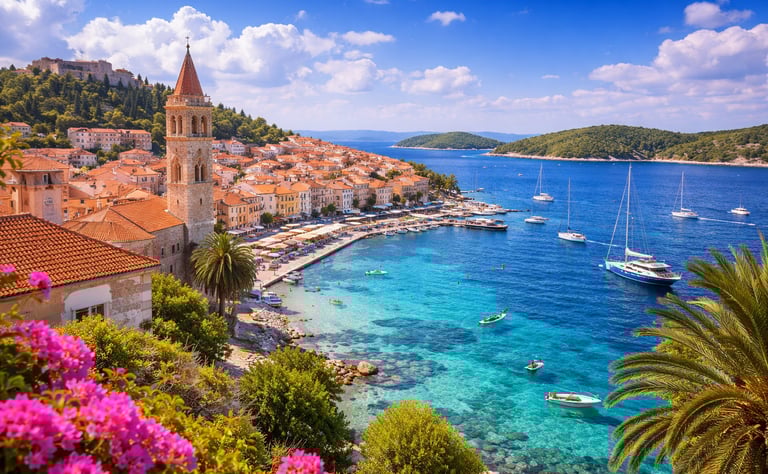
The Adriatic coastline defines Croatia’s identity. Calm, crystal-clear waters meet dramatic cliffs and medieval harbors, creating a landscape that feels both peaceful and powerful.
Unlike many Mediterranean destinations, Croatia’s coast feels open rather than crowded. Even in popular areas, the sea remains clean, accessible, and inviting. Swimming here isn’t just an activity—it’s part of daily life.
Walking along the coast in the early morning or late evening reveals Croatia at its best. The noise fades, the light softens, and the timeless character of the country becomes clear.
For Travel Explorers, the Adriatic isn’t just scenery—it’s an experience that shapes the entire journey.
Islands Where Time Moves Differently
Croatia’s islands are where the country truly breathes.
Each island has its own personality. Some are lively, others are quiet and deeply reflective. What they share is a slower rhythm of life that encourages presence instead of productivity.
Island days revolve around simple pleasures: long swims, shared meals, quiet walks, and unplanned conversations. There’s no pressure to rush, no sense of missing out.
In 2026, island connections are smoother, but the emotional distance from the mainland remains intact. That balance is what makes Croatian islands so valuable to a Travel Explorer seeking escape without disconnection.
Cities Built on Living History
Croatia’s cities don’t feel preserved—they feel lived in.
Ancient walls surround neighborhoods where people work, eat, and raise families. Roman-era structures exist alongside modern cafés. History here isn’t presented; it’s experienced.
What sets Croatian cities apart is their scale. They’re large enough to feel alive but small enough to explore on foot. You don’t feel lost. You feel invited.
For Travel Explorers who value atmosphere over attractions, Croatia’s urban spaces offer something rare in Europe: genuine continuity.
Food, Wine, and the Joy of Simplicity
Croatian food culture focuses on quality rather than complexity. Fresh ingredients, local wines, and simple preparation define most meals.
Dining feels social and unhurried. Meals stretch into conversations. Food becomes part of the memory rather than the highlight you chase.
In 2026, Croatia continues to evolve its culinary scene without losing its grounding. You can eat exceptionally well without paying inflated tourist prices.
For Travel Explorers, Croatian cuisine is satisfying not because it’s trendy, but because it’s honest.
Affordability That Still Feels Fair
While much of Europe has become aggressively expensive, Croatia remains reasonably priced in 2026.
Accommodation offers strong value, especially outside peak tourist zones. Meals are affordable without sacrificing quality. Transport is efficient and cost-friendly.
This affordability allows travelers to stay longer, explore deeper, and travel slower—exactly what a Travel Explorer looks for.
Safety, Comfort, and Ease of Travel
Croatia consistently ranks as one of Europe’s safest destinations. Streets are clean, cities are walkable, and travel feels intuitive.
English is widely spoken, signage is clear, and locals are welcoming without being overbearing. Whether traveling solo or as a couple, Croatia feels comfortable and reassuring.
This ease of movement allows travelers to focus on experience rather than logistics.
The Travel Explorer Verdict on Croatia 2026
Croatia in 2026 offers something increasingly rare: a complete travel experience that doesn’t feel forced or overpriced.
It’s a country where beauty exists naturally, history feels alive, and daily life welcomes visitors instead of performing for them.
For Travel Explorers seeking:
Adriatic beauty without exhaustion
History without commercialization
Island life without isolation
Europe without pressure
Croatia stands out as a destination that delivers quietly but powerfully.
The Adriatic dreams are real. And in 2026, Croatia still lets you live them fully.
© 2026. All rights reserved.