
North Korea Tour Guide 2026 | Travel Explorer
Explore one of the world’s most secretive and mysterious destinations with this complete North Korea Travel Guide 2026. Learn about what’s allowed, where you can go, the strict rules for visitors, and the fascinating culture behind the headlines.
ASIA
11/1/20255 min read
Introduction
Few countries on Earth spark as much curiosity as North Korea, officially known as the Democratic People’s Republic of Korea (DPRK).
Locked away for decades under strict government control, North Korea offers a rare glimpse into a world frozen in time — a place where massive monuments, military parades, and empty highways paint a picture unlike anywhere else on Earth.
In 2026, travel to North Korea remains limited and highly controlled, but not impossible. With licensed tour operators, special permissions, and guided tours, international travelers can legally visit and experience Pyongyang, the DMZ, Mount Myohyang, and more.
This Travel Explorer North Korea 2026 Guide explains exactly what you can expect — from visa rules to attractions, cultural etiquette, and safety tips — so you can prepare for a journey like no other.
1. Can You Visit North Korea in 2026?
Yes, but under strict conditions.
Travel to North Korea is only possible through government-approved tour agencies. You cannot travel independently, and every visitor must be accompanied by official guides from arrival to departure.
Who Can Visit
Citizens of most countries (except South Korea and sometimes the U.S.) can visit via Beijing, China.
U.S. citizens remain banned under current U.S. government restrictions.
Indian, European, and some Southeast Asian travelers are generally allowed on organized tours.
How to Get There
Via Beijing: Most flights to Pyongyang depart from Beijing’s Capital Airport.
Train option: A scenic but long train journey runs from Beijing to Pyongyang, offering unique glimpses into the Korean countryside.
2. Visa and Tour Requirements
Every tourist must book through a licensed DPRK operator such as Koryo Tours, Young Pioneer Tours, or Uri Tours, which coordinate visas, hotels, guides, and itineraries.
Visa Process
Submit your passport copy and personal details at least 6 weeks before departure.
Your visa is issued separately (not stamped into your passport).
The agency handles all paperwork with North Korean authorities.
Group Tours vs. Private Tours
Group Tours: Most common and affordable, led by English-speaking guides.
Private Tours: For those wanting more flexibility (but still with mandatory supervision).
3. What You Can Expect in North Korea
No Freedom to Roam
You cannot explore alone. Every step is pre-planned and accompanied by your guides.
Internet & Communication
No open internet access.
No foreign SIM cards or Wi-Fi.
Some hotels have limited intranet services.
Currency
Tourists use euros, Chinese yuan, or U.S. dollars (local won is restricted).
Cash is king; no ATMs or card payments.
Photography
Allowed in designated areas only.
Avoid photographing military, construction, or poverty scenes.
4. Must-See Destinations in North Korea (2026)
1. Pyongyang
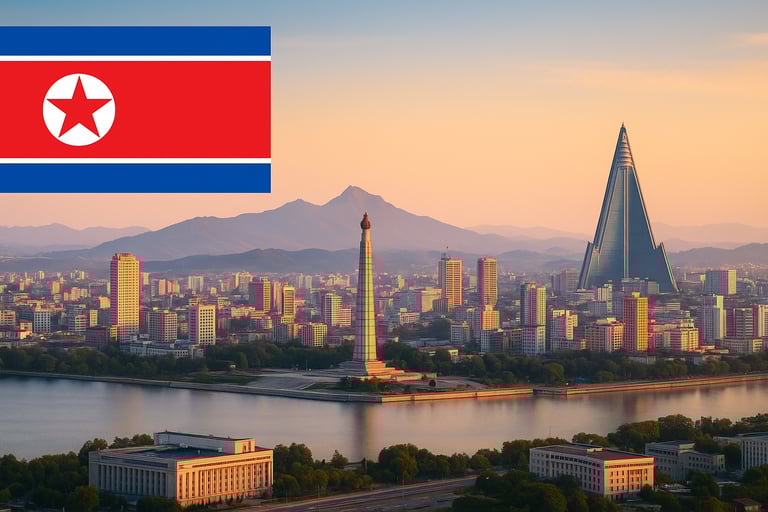
The capital city is spotless, heavily organized, and visually striking.
Kim Il-sung Square: A vast plaza used for parades and national celebrations.
Juche Tower: Symbolizing the DPRK’s guiding philosophy of self-reliance.
Arch of Triumph: Larger than Paris’ version — built to commemorate the resistance against Japan.
Metro System: Decorated like palaces, with chandeliers and murals.
Mansudae Grand Monument: The iconic bronze statues of Kim Il-sung and Kim Jong-il — bowing is mandatory.
2. Kaesong and the DMZ
The southern border town near the Demilitarized Zone (DMZ) provides a rare, heavily guided glimpse of the border with South Korea. You can stand meters away from the South under close supervision.
3. Mount Myohyang
A scenic mountain area famous for temples, caves, and the International Friendship Exhibition, housing thousands of gifts to North Korean leaders — from gold statues to luxury cars.
4. Wonsan
This coastal city is slowly being developed for tourism, featuring beaches, a pier, and the Masikryong Ski Resort.
5. Mount Kumgang
Known as the “Diamond Mountain,” it’s one of Korea’s most beautiful natural areas. Tours here are limited but reopening discussions are ongoing.
5. Culture and Etiquette
Visiting North Korea means understanding deep respect for leadership and local customs.
Do’s
✅ Always bow slightly before statues or portraits of leaders.
✅ Follow your guide’s instructions at all times.
✅ Dress modestly and neatly.
✅ Use polite, formal language when speaking with locals.
Don’ts
❌ Never make jokes or negative remarks about the government or leaders.
❌ Avoid political discussions or comparisons.
❌ Don’t fold or throw away newspapers featuring leaders’ photos.
❌ Don’t photograph citizens without permission.
6. Accommodation in North Korea
Most visitors stay in designated tourist hotels such as:
Yanggakdo International Hotel (Pyongyang): Famous for its revolving restaurant and isolation on an island.
Koryo Hotel: Central, luxurious by DPRK standards, often used for official delegations.
Haebangsan Hotel: Older but historic and frequently used for small tours.
Rooms are clean but basic — expect limited electricity, few TV channels, and monitored phones.
7. Food and Dining
North Korean cuisine shares roots with South Korean food but with simpler ingredients.
Popular dishes: Kimchi, cold noodles (Naengmyeon), bibimbap, and grilled meats.
Beer and drinks: The local Taedonggang Beer is a tourist favorite.
Imported wine and spirits are available in hotels.
Tourists eat mostly in pre-approved restaurants or hotel dining rooms.
8. Festivals and Events
North Korea celebrates many state-driven holidays with massive displays of patriotism.
Major Events in 2026:
April 15 – Day of the Sun: Kim Il-sung’s birthday; grand parades and fireworks in Pyongyang.
September 9 – National Foundation Day: Military parades and cultural performances.
May Day – Workers’ Day: Public dance gatherings and rallies.
Attending these gives a rare insight into the country’s pageantry and national pride.
9. Safety and Conduct
General Safety
North Korea is safe as long as you follow the rules. Crime against tourists is virtually nonexistent because of strict enforcement.
Legal Risks
Breaking laws, taking restricted photos, or criticizing leadership can lead to severe punishment.
Respect local regulations — always ask your guide if unsure.
Medical Care
Healthcare is limited. Bring all necessary medications, as pharmacies have shortages.
Emergency evacuation is handled through your tour agency via Beijing.
10. Connectivity and Communication
North Korea remains almost completely offline.
No access to Western websites or email.
Phones are collected or restricted in some areas.
You can use landlines in hotels for international calls (expensive).
For updates, rely on your tour guide or local television news.
11. Cost of Visiting North Korea (2026)
Average 5-day tour package (from Beijing):
Economy group tour: $1,200–$1,800
Private tour: $2,000–$3,000
Luxury option: $4,000+
Inclusions:
Flights or train tickets from Beijing
Visa handling
Accommodation and meals
Guided sightseeing
Exclusions:
Travel insurance
Tips for guides ($10–20/day recommended)
Personal expenses (souvenirs, drinks)
12. Souvenirs and Shopping
Shopping options are limited but unique:
Local art, stamps, and propaganda posters.
Handcrafted items like ceramics and embroidered cloth.
Books about Juche ideology (approved selections only).
Buying or taking out restricted items can result in confiscation at customs.
13. Photography and Filming Rules
Always ask your guide before shooting photos.
Don’t zoom in on soldiers, checkpoints, or people working.
Drone photography is strictly forbidden.
Cameras and phones are inspected upon entry and exit.
14. North Korea vs. South Korea Travel
Many travelers visit North Korea to witness the contrast with modern South Korea.
While Seoul dazzles with neon lights and tech innovation, Pyongyang reflects a centralized, controlled vision of order and ideology.
The experience can be shocking — but also deeply thought-provoking.
15. Final Thoughts – Why Visit North Korea in 2026
North Korea isn’t a conventional holiday destination. It’s not about nightlife, beaches, or shopping — it’s about understanding isolation, propaganda, and national pride from the inside.
Visiting North Korea in 2026 offers a rare opportunity to:
Step inside one of the world’s most closed societies,
Witness history frozen in time,
And reflect on what freedom, control, and modernity really mean.
As Travel Explorer reminds you: Travel isn’t just about beauty — it’s about perspective.
North Korea challenges your views of the world more than any other place.
Title:
North Korea Tour Guide 2026 | The World’s Most Secret Travel Destination
Description:
Discover the ultimate North Korea travel guide for 2026 — from visa rules and must-see sites to cultural etiquette and safety tips. A complete Travel Explorer walkthrough of the DPRK, designed for those who seek a journey beyond the ordinary.
© 2026. All rights reserved.