
Planning Hajj in 2026? The Best Time to Visit Mecca and Medina That Most Pilgrims Don’t Know
Millions of Muslims dream of performing Hajj in Mecca and Medina at least once in their lifetime. But choosing the right time to travel can make a huge difference in your experience. This guide explains the best time to go for Hajj, what pilgrims should expect in Mecca and Medina, and how to plan a comfortable spiritual journey.
ASIA
3/7/20265 min read
The Spiritual Journey Every Muslim Dreams Of
For Muslims around the world, performing Hajj is one of the most important and emotional journeys of their lives.
Every year millions of pilgrims travel to Saudi Arabia to perform this sacred pilgrimage. The journey takes place in the holy cities of Mecca and Medina, where believers gather to fulfill one of the five pillars of Islam.
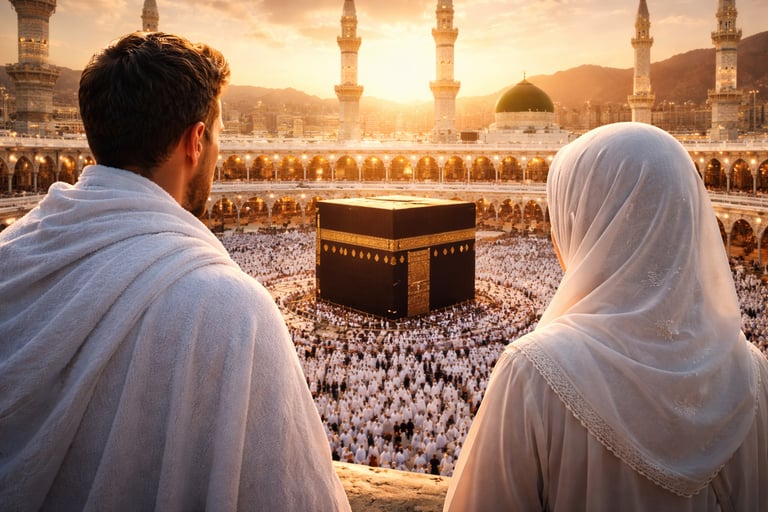
Standing near the Kaaba in Masjid al-Haram and visiting the Prophet’s Mosque in Medina creates a spiritual experience that is difficult to describe.
However, planning Hajj requires preparation, patience, and understanding of the timing of the pilgrimage.
Many first-time pilgrims wonder the same thing:
When is the best time to go for Hajj and visit Mecca and Medina?
Understanding the timing of Hajj can help pilgrims prepare for a smoother and more meaningful journey.
Understanding When Hajj Takes Place
Unlike normal travel trips, Hajj does not happen throughout the year.
The pilgrimage occurs during specific days of the Islamic calendar.
Hajj takes place in the month of Dhul Hijjah, which is the twelfth month of the Islamic lunar calendar.
The main rituals of Hajj occur between the 8th and 12th days of Dhul Hijjah.
Because the Islamic calendar is based on the moon, the dates of Hajj shift earlier each year according to the Gregorian calendar.
This means the season of Hajj gradually moves through different months over time.
For example, in recent years Hajj has occurred during the summer months, when temperatures in Saudi Arabia can become extremely high.
Understanding this timing is important when preparing for the pilgrimage.
Why Timing Matters for Hajj
Hajj is one of the largest annual gatherings in the world.
Millions of pilgrims travel to Mecca during these sacred days.
Because of the huge number of people attending, the experience can be physically demanding.
Weather conditions, travel arrangements, and accommodation availability can all affect the comfort of pilgrims.
Choosing the right time to arrive in Saudi Arabia before Hajj begins can make a big difference.
Many experienced pilgrims prefer arriving several days early so they can rest, adjust to the environment, and perform Umrah before the Hajj rituals begin.
This preparation helps them focus on the spiritual aspects of the pilgrimage rather than the stress of travel.
Visiting Mecca Before the Hajj Days
Many pilgrims choose to reach Mecca several days before the official Hajj rituals begin.
Arriving early provides time to perform Umrah, which is a separate pilgrimage that can be completed in a few hours.
During this time pilgrims can also spend time praying at Masjid al-Haram and becoming familiar with the surroundings.
The peaceful moments before the main Hajj days allow many pilgrims to spiritually prepare themselves.
It is also easier to navigate the city before the peak crowds arrive.
The Importance of Visiting Medina
While Hajj rituals take place in Mecca and the nearby holy sites, many pilgrims also travel to Medina during their journey.
Medina is home to Al-Masjid an-Nabawi, the mosque established by Prophet Muhammad.
Visiting this mosque and offering prayers there is considered a deeply meaningful experience for Muslims.
Although visiting Medina is not a mandatory part of Hajj, it is highly recommended.
Many pilgrims travel to Medina either before or after completing the Hajj rituals.
The atmosphere in Medina is often described as calm and peaceful compared to the intense crowds of Mecca during Hajj.
Spending time there allows pilgrims to reflect spiritually after completing their pilgrimage.
Weather Conditions in Mecca and Medina
One important factor when planning a Hajj journey is the climate in Saudi Arabia.
Mecca and Medina have desert climates with extremely hot summers.
During peak summer months temperatures can rise above 45°C (113°F).
For pilgrims not used to such heat, this can be challenging.
Because Hajj dates move earlier each year, future pilgrimages will gradually occur during cooler months.
When Hajj occurs during spring or winter seasons, the weather tends to be more comfortable.
Many travelers consider these cooler years easier for elderly pilgrims or those performing Hajj for the first time.
Preparing for the Crowd
Hajj is a once-in-a-lifetime pilgrimage for many Muslims, which is why millions gather in Mecca at the same time.
The crowds are part of the spiritual experience, symbolizing unity among Muslims from all cultures and countries.
However, the large number of pilgrims means preparation is essential.
Pilgrims should plan accommodation, travel routes, and guidance with authorized travel operators.
Proper preparation ensures that pilgrims can focus on worship rather than logistical difficulties.
Planning Your Hajj Journey
Preparation for Hajj often begins months in advance.
Pilgrims typically work with licensed travel agencies that arrange visas, accommodation, and transportation between the holy sites.
These agencies also guide pilgrims through the rituals of Hajj.
Because the pilgrimage has strict quotas for each country, securing a place in advance is important.
Many pilgrims spend time learning about the rituals of Hajj before traveling so they can perform them correctly.
Understanding the sequence of events helps make the experience smoother and more meaningful.
The Emotional Experience of Hajj
For many pilgrims, the most powerful moments of Hajj happen during the spiritual rituals.
Standing in prayer near the Kaaba, walking between the hills of Safa and Marwa, and gathering at the plains of Arafat create unforgettable memories.
These moments remind pilgrims of the unity of the Muslim community and the shared faith that connects millions of people around the world.
Despite the physical challenges of the journey, many pilgrims describe Hajj as the most transformative experience of their lives.
Visiting Mecca and Medina Outside Hajj Season
While Hajj takes place only once a year, Muslims can visit Mecca and Medina at other times to perform Umrah.
Umrah is often called the “lesser pilgrimage” and can be performed throughout the year.
Traveling outside the Hajj season allows pilgrims to experience the holy cities with fewer crowds.
Many people choose to perform Umrah during the cooler months or during Ramadan, when the spiritual atmosphere is particularly special.
However, performing Hajj itself requires attending during the official days of Dhul Hijjah.
Tips for a Comfortable Hajj Journey
Pilgrims preparing for Hajj often focus on several practical considerations.
Staying hydrated is extremely important because of the hot climate.
Comfortable footwear is also essential since many rituals involve walking long distances.
Pilgrims should also ensure they carry necessary identification and follow the guidance provided by their travel groups.
Patience is another important quality during Hajj.
With millions of pilgrims performing rituals at the same time, delays and crowded spaces are common.
Maintaining a calm mindset allows pilgrims to focus on the spiritual purpose of the journey.
The Growing Infrastructure in Saudi Arabia
Saudi Arabia has invested heavily in infrastructure to support the increasing number of pilgrims.
Modern transportation systems, expanded mosques, and improved facilities help manage the massive crowds.
Projects such as expanded airports, high-speed trains between Mecca and Medina, and improved accommodations have made travel easier for pilgrims from around the world.
These developments aim to make the pilgrimage safer and more comfortable while preserving the spiritual significance of the journey.
Why Hajj Is a Life-Changing Journey
Hajj is not just a physical trip.
It is a journey of faith, reflection, and spiritual renewal.
Pilgrims travel thousands of kilometers to stand together in worship, leaving behind their daily lives and focusing entirely on devotion.
The experience often strengthens a person's connection to their faith and inspires a renewed sense of purpose.
For many Muslims, completing Hajj represents one of the most meaningful milestones of their lives.
Final Thoughts
Choosing the right time to travel for Hajj and planning the journey carefully can make the pilgrimage smoother and more meaningful.
Understanding the timing of the Islamic calendar, preparing for weather conditions, and allowing time to visit Medina can all enhance the experience.
For millions of Muslims, Hajj remains one of the most powerful spiritual journeys in the world.
The opportunity to visit the sacred cities of Mecca and Medina and participate in the rituals of Hajj is a dream that carries deep spiritual significance.
For those preparing for this journey, proper planning and understanding of the pilgrimage can help ensure that the experience becomes a truly unforgettable chapter of life.
© 2026. All rights reserved.