
Top 5 Most Expensive Countries to Travel in 2026
Top 5 Most Expensive Countries to Travel in 2026. Planning international travel in 2026? Travel Explorer breaks down the top 5 most expensive countries to visit, explaining real costs, hidden expenses, and what makes these destinations so costly.
EUROPE
1/11/20265 min read
Introduction: Why Some Countries Are Extremely Expensive to Visit in 2026
International travel in 2026 is no longer just about booking flights and hotels. Rising inflation, labor shortages, strict regulations, sustainability taxes, and currency fluctuations have dramatically changed travel economics. While budget destinations still exist, several countries have firmly established themselves as premium-only travel zones.
According to insights commonly discussed on Travel Explorer, expensive destinations are not overpriced by accident. Their high costs are driven by strong currencies, high standards of living, limited space, and heavy demand from global travelers.
This article does not exaggerate costs for shock value. Instead, it provides a realistic breakdown of why certain countries are among the most expensive to travel in 2026, what expenses travelers underestimate, and whether these destinations are worth the price.
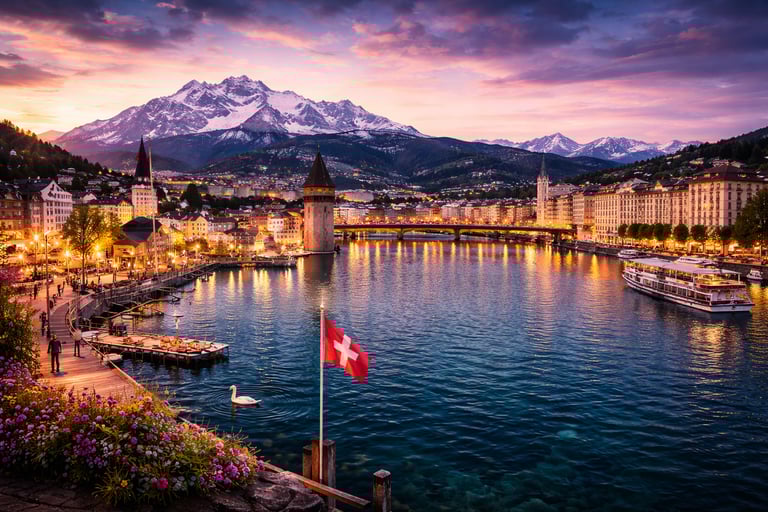
1. Switzerland – The Undisputed Champion of Expensive Travel
Switzerland consistently ranks as the most expensive country to travel to, and 2026 is no exception. The Swiss franc remains one of the strongest currencies globally, and the country’s cost structure reflects high wages, strict quality standards, and limited reliance on low-cost labor.
Why Switzerland Is So Expensive in 2026
The primary reason Switzerland is expensive is that almost everything is priced for locals with very high purchasing power. A basic meal that costs ten dollars elsewhere can easily cost thirty to forty dollars here. Hotels, transport, and even grocery items reflect this reality.
Public transportation, while incredibly efficient, is costly. Scenic train routes such as Glacier Express or Bernina Express are unforgettable experiences, but ticket prices feel premium even before accommodation is added.
Hidden Costs Most Travelers Miss
Many travelers assume Switzerland’s expense comes only from hotels. In reality, food becomes the biggest shock. Even fast food chains are significantly more expensive. Alcohol is heavily taxed, and nightlife costs can spiral quickly.
Tourist taxes, cable car fees, and mountain access charges add up rapidly, especially in alpine regions.
Is Switzerland Worth the Cost?
For travelers seeking pristine nature, flawless infrastructure, and absolute safety, Switzerland delivers unmatched quality. However, it is not forgiving for budget travelers. Switzerland in 2026 is a destination for those prepared to pay for perfection.
2. Norway – Natural Beauty With Premium Pricing
Norway combines dramatic landscapes with one of the highest costs of living in the world. In 2026, Norway remains firmly positioned among the most expensive travel destinations due to strict labor laws, high taxes, and a strong currency.
What Makes Norway So Costly
Norway’s economy is structured around high wages and strong social welfare. Service workers are paid fairly, which translates directly into higher prices for travelers. Eating out in Norway is particularly expensive, even for simple meals.
Accommodation costs have surged in recent years as tourism demand has increased, especially in fjord regions and Arctic destinations like Tromsø.
Transportation and Activity Costs
Car rentals, fuel, and domestic flights are expensive. Many of Norway’s best attractions involve guided experiences such as fjord cruises, northern lights tours, or hiking expeditions, all of which carry premium pricing.
Alcohol prices deserve special mention. Government-controlled sales and high taxation make drinks shockingly expensive compared to most countries.
Who Should Visit Norway in 2026
Norway is ideal for travelers who value nature over luxury shopping or nightlife. If your priority is raw landscapes, midnight sun, and Arctic experiences, Norway offers unmatched value despite the cost.
3. Iceland – Small Country, Big Expenses
Iceland’s popularity has exploded over the last decade, and in 2026 it remains one of the most expensive countries to travel to. Limited resources, geographic isolation, and heavy reliance on imports drive prices upward.
Why Iceland Costs So Much
Almost everything in Iceland is imported, from food to building materials. This alone pushes prices far above average. Additionally, the country’s small population means fewer economies of scale.
Accommodation shortages during peak seasons further increase prices. Even modest guesthouses can feel expensive compared to similar properties elsewhere.
Day-to-Day Expenses in Iceland
Food is one of the biggest expenses. Grocery shopping helps, but prices are still high. Dining out regularly can quickly exceed budget expectations.
Transportation costs are another major factor. Car rentals are expensive, and fuel prices remain elevated. Organized tours to glaciers, volcanoes, and geothermal areas are often the only practical option and are priced accordingly.
Is Iceland Worth It?
Iceland offers experiences that feel almost otherworldly. Volcanoes, glaciers, black sand beaches, and geothermal lagoons make it unique. For travelers seeking rare natural phenomena, Iceland justifies its cost, but only with careful planning.
4. Japan – Premium Experiences in a High-Standard Society
Japan may surprise some travelers on this list because it offers a wide range of price points. However, in 2026, Japan’s overall travel costs place it among the most expensive countries due to accommodation prices, transportation, and urban living costs.
Why Japan Is Expensive Despite Efficiency
While Japan offers excellent value in terms of service quality, the cost of maintaining that quality is high. Major cities like Tokyo, Kyoto, and Osaka are among the world’s most expensive urban destinations.
High-speed rail, though efficient and reliable, is not cheap. The famous Shinkansen network adds significantly to travel budgets.
Accommodation and Food Costs
Hotels in central locations command premium prices, especially during cherry blossom season and autumn foliage periods. Capsule hotels and business hotels help reduce costs but do not eliminate the overall expense.
Food costs vary widely. Street food and casual dining are affordable, but mid-range and fine dining escalate quickly, especially in major cities.
Why Travelers Still Choose Japan
Japan offers unmatched cleanliness, safety, and cultural depth. For many travelers, the predictability and quality justify the cost. Japan in 2026 remains a premium but highly rewarding destination.
5. Singapore – Luxury City-State Pricing
Singapore is one of the most expensive places to visit in Asia and continues to rank among the world’s costliest destinations in 2026. As a global financial hub with limited land, prices reflect exclusivity and efficiency.
What Drives High Costs in Singapore
Land scarcity is the single biggest factor. Hotels, real estate, and commercial spaces are extremely expensive, and these costs are passed on to travelers.
Singapore also enforces strict regulations and high standards, which increase operational costs across industries.
Daily Travel Expenses
Accommodation is the largest expense. Even mid-range hotels are priced like luxury properties in other countries.
Food offers some relief thanks to hawker centers, which provide affordable and high-quality meals. However, dining in restaurants or nightlife venues can be very expensive.
Transportation is efficient but not cheap, especially for taxis and airport transfers.
Who Should Visit Singapore
Singapore is ideal for short, high-impact trips. Travelers who appreciate order, cleanliness, architecture, and world-class amenities will find Singapore worth the price.
Comparing These Destinations: Why They Remain Expensive
What unites these countries is not luxury branding but structural economics. High wages, strong currencies, strict regulations, and limited supply all contribute to sustained high travel costs.
In 2026, these destinations are not becoming cheaper. If anything, sustainability initiatives and tourism management policies are likely to increase costs further by limiting overcrowding and preserving quality.
Smart Travel Strategies for Expensive Countries
Travel Explorer emphasizes that expensive destinations can still be managed with smart planning:
Travel during shoulder seasons
Choose fewer cities and stay longer
Use public transport passes
Avoid daily dining at restaurants
Prioritize experiences over shopping
Expensive travel is less about cutting corners and more about intentional choices.
Final Thoughts: Are Expensive Countries Worth Visiting in 2026?
The most expensive countries to travel in 2026 offer exceptional quality, safety, and experiences. They are not destinations for careless budgeting, but they reward travelers who plan wisely.
According to Travel Explorer, the key is not avoiding expensive countries, but understanding them. When expectations align with reality, these destinations can become the most memorable trips of a lifetime.
High cost does not automatically mean poor value. In many cases, it reflects standards that few places can match.
If you travel to these countries in 2026, travel prepared—not just financially, but mentally.
© 2026. All rights reserved.