
Uttarakhand 4 Dham Yatra Guide 2026 – Travel Explorer Exclusive
A complete 2026 guide to the Uttarakhand Char Dham Yatra covering Yamunotri, Gangotri, Kedarnath, and Badrinath. This Travel Explorer exclusive explains routes, best seasons, travel tips, weather conditions, spiritual significance, and everything a pilgrim needs for a smooth and safe journey.
ASIA
11/13/20255 min read
Uttarakhand 4 Dham Yatra Guide 2026
The Char Dham Yatra of Uttarakhand is one of the most sacred spiritual journeys in India. Every year, millions of devotees travel into the majestic Himalayas to visit four divine temples — Yamunotri, Gangotri, Kedarnath, and Badrinath. These sacred shrines are not just religious destinations; they are emotional experiences, inner awakenings, and life-changing moments for many pilgrims.
By 2026, the Char Dham Yatra has become more accessible, safer, and better organized due to improved roads, helicopter services, RFID tracking, and digital booking systems. Yet the beauty of the Yatra remains the same — tall Himalayan peaks, cold winds, flowing rivers, peaceful forests, and the ancient spiritual energy that makes Uttarakhand the land of the gods. This Travel Explorer guide brings you a full, detailed, explained journey of Char Dham so that you can prepare yourself physically, mentally, and spiritually before stepping into the mountains.
Understanding the Importance of Char Dham
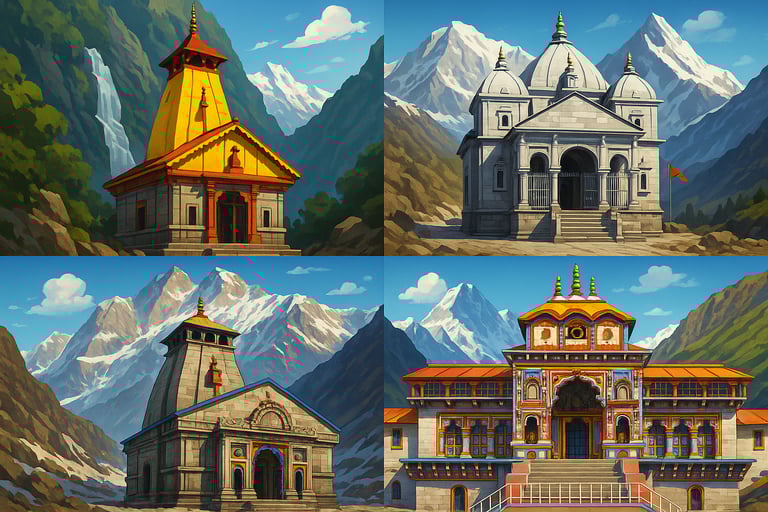
The Char Dham holds a unique place in Hindu belief. Each of the four shrines represents a different divine force. Yamunotri is the origin of the sacred River Yamuna. Gangotri is the birthplace of the holy River Ganga. Kedarnath is the ultimate shrine of Lord Shiva, standing in isolation between towering peaks. Badrinath is the sacred abode of Lord Vishnu, sitting peacefully by the River Alaknanda. Together, these four shrines form a circle of purification — for the body, mind, and soul.
Every pilgrim who completes these four dham journeys experiences a deep spiritual shift. The combination of cold Himalayan air, sacred rivers, ancient temples, and challenging terrain makes the Yatra a journey of devotion, patience, and inner strength.
Yamunotri — The Beginning of the Journey
Yamunotri is the first dham of the Yatra. It lies deep inside a narrow valley surrounded by snow-capped mountains. The journey to Yamunotri begins with a drive to Janki Chatti. From there, pilgrims begin a trek of about six kilometers. The path takes you through forests, waterfalls, and sharp bends with cool mountain winds touching your face.
By 2026, the trek has become smoother with paved paths, resting shelters, and food stalls. Ponies and palkis are available for those who do not wish to trek. As pilgrims approach the temple, the sound of flowing water from the Yamuna river creates a peaceful environment. The temple itself is a small, quiet sanctuary where devotees offer prayers to Goddess Yamuna, asking for purity and protection.
The hot water springs near the temple are another attraction. People boil rice and potatoes in the holy water, offering it as prasad. Standing near the Yamuna’s origin point, surrounded by glaciers and sacred vibrations, marks a powerful beginning to the Char Dham Yatra.
Gangotri — The Birthplace of the Holy Ganga
Gangotri is the second dham where the divine River Ganga begins her journey from the Gaumukh glacier. The route to Gangotri passes through beautiful pine forests and deep valleys. Pilgrims often stop at picturesque spots along the Bhagirathi River. The temple, painted in white granite stone, stands gracefully in front of a mountain backdrop.
Reaching Gangotri feels like entering a different world. The cold water of the Ganga flowing beside the temple gives a breathtaking feeling. People sit on the riverbank, close their eyes, and let the sound of rushing water calm their minds. The sacred aarti performed every evening in Gangotri fills the atmosphere with divine energy. Many pilgrims wash their hands and feet in the river, believing it purifies sins and removes negativity.
In 2026, the roads to Gangotri have improved significantly. Digital registration, accommodations, and medical facilities ensure the journey is smooth, even for senior citizens. For many pilgrims, Gangotri becomes the emotional heart of their journey.
Kedarnath — The Most Powerful Himalayan Shrine
The journey to Kedarnath is the most challenging yet the most rewarding. Located at an altitude of over 11,000 feet, Kedarnath stands alone surrounded by gigantic mountains. The temple, built thousands of years ago, has survived storms, avalanches, and the devastating 2013 floods — proving its spiritual importance and divine protection.
The journey begins from Sonprayag, then Gaurikund, from where the trek to Kedarnath starts. The trek is long and steep, but the path is now wider, safer, and better maintained due to government upgrades. For those unable to trek, ponies, palkis, and helicopter services are available.
Reaching Kedarnath gives a feeling that words cannot describe. The temple stands calmly, as if watching over the world from the heart of the Himalayas. Pilgrims often shed tears upon their first view of the temple — that’s the power of Kedarnath. The sound of bells, chants of “Har Har Mahadev,” and the cold mountain air together create a moment that stays in the heart forever.
Inside the temple, the jyotirlinga shaped like a natural rock formation feels alive with divine vibration. It is believed that Lord Shiva himself chose this remote location to bless devotees forever.
Badrinath — The Final Destination of the Yatra
Badrinath concludes the Char Dham Yatra. Compared to the tough Kedarnath route, the journey to Badrinath is comfortable and scenic. This temple of Lord Vishnu lies near the Alaknanda River, surrounded by peaceful mountains. The bright colors of the temple make it instantly recognizable.
As pilgrims walk toward the shrine, the smell of incense and the sound of priests chanting create a serene environment. Badrinath is not just a temple; it is a spiritual experience. The Tapt Kund hot springs nearby are believed to have healing powers. Many people take a dip before entering the temple.
The idol of Lord Vishnu in Badrinath is ancient and incredibly beautiful. Sitting in front of the idol gives a feeling of calmness and protection. Many pilgrims end their Yatra here by meditating on the riverbank, reflecting on their entire spiritual journey.
Best Time to Travel the Char Dham in 2026
In 2026, the Yatra season will open around late April or early May and continue till November depending on weather conditions. The best time to travel is usually May, June, September, and early October. During these months, the weather is pleasant, roads are safe, and rainfall is low.
Monsoon months, especially July and August, can bring landslides and slippery roads. Pilgrims planning to travel during monsoon need to stay updated with weather alerts and government instructions.
Helicopter Services in 2026
Helicopter services have become extremely popular by 2026 due to improved safety and booking systems. Helicopters operate from Phata, Sersi, Guptkashi, and Dehradun for Kedarnath and sometimes also between the Dhams in package tours.
These services reduce journey time and are great for senior citizens or people with limited travel time. However, weather changes can cause delays, so flexibility in planning is important.
Accommodation and Facilities
By 2026, accommodation across all four dham routes has significantly improved. Pilgrims can choose from GMVN guesthouses, private lodges, dharamshalas, and hotels. Many places now have hot water, warm blankets, and better sanitation.
Medical tents, oxygen support points, and emergency rescue teams are available across the trek routes. Digital payments, mobile networks, and internet access have improved due to new towers installed in the region.
Registration and Safety Measures
Char Dham Yatra registration is mandatory and can be done online. In 2026, RFID tracking will be used across all four shrines to monitor pilgrim movement and ensure safety. This system helps authorities manage crowds and provide instant help in emergencies.
Pilgrims should follow guidelines like staying hydrated, resting frequently, avoiding rush on steep paths, and respecting altitude sickness symptoms.
The Spiritual Transformation
The Char Dham Yatra is not just a travel route — it is a spiritual transformation. The mountains test patience, the cold winds test strength, and the long paths test faith. But at every temple, pilgrims feel an unexplainable peace. Standing before the holy shrines, surrounded by snow peaks and ancient energy, one realizes the journey is about finding a deeper connection with oneself.
People return home with a renewed mind, a calm heart, and memories that last a lifetime.
Conclusion
The Uttarakhand Char Dham Yatra in 2026 is a beautiful blend of faith, adventure, spirituality, and natural beauty. With improved facilities, safer routes, digital systems, and a strong support network, the journey has become more accessible while preserving its ancient charm. Whether you are traveling for devotion, peace, or healing, the Char Dham Yatra will give you moments you will never forget.

© 2026. All rights reserved.