
Which Country Has the Most Racism for Travellers in 2026 – A Reality Check by Travel Explorer
Which countries are most challenging for foreign travellers in 2026 due to racism and discrimination? Which Country Has the Most Racism for Travellers . This Travel Explorer reality check breaks down where tourists face bias, why it happens, and how travellers can stay safe and informed.
1/12/20264 min read
Introduction: Why Racism Still Shapes Travel Experiences in 2026
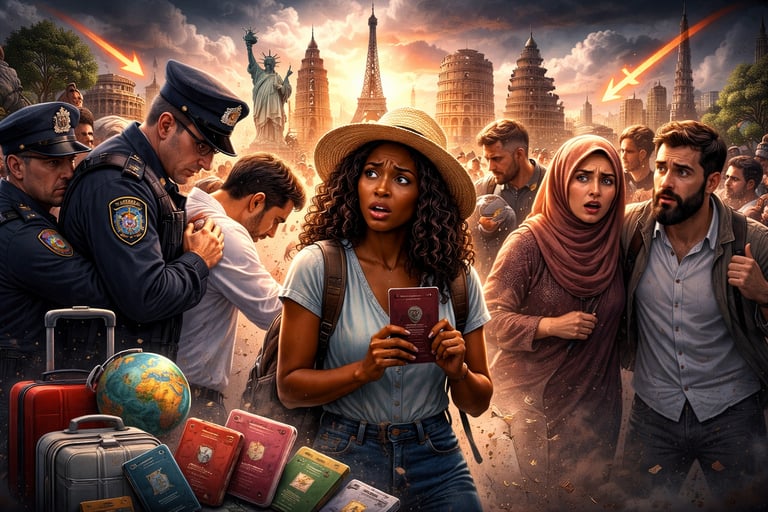
International travel in 2026 is easier, cheaper, and more interconnected than ever before. Digital visas, AI-powered translation tools, and global tourism campaigns suggest a borderless world. Yet, for millions of travellers, the reality is very different. Racism and discrimination continue to influence how people are treated abroad, often shaping their entire travel experience.
Racism in travel does not always appear as open hostility. It can be subtle—longer security checks, refusal of service, excessive questioning, suspicious stares, or being followed in shops. For some travellers, especially those from Asia, Africa, the Middle East, or darker-skinned backgrounds, these experiences are frequent enough to affect destination choices.
This Travel Explorer report does not aim to shame countries. Instead, it provides an honest, traveller-focused analysis of where racism is most commonly reported by tourists in 2026, why these patterns exist, and what travellers should realistically expect.
Understanding Racism in Travel: What Counts as Discrimination?
Before identifying countries, it is important to clarify what “racism for travellers” typically looks like:
Refusal of hotel rooms or rentals
Extra scrutiny at airports or border controls
Verbal abuse or racial slurs
Unequal treatment in restaurants, nightlife, or transport
Harassment by locals or authorities
Stereotyping based on nationality, skin tone, or religion
Racism may be systemic (laws, policing, immigration practices) or social (attitudes, prejudice, historical bias). Both impact tourism.
United States: A Divided Travel Experience
The United States remains one of the world’s most visited countries, but it also ranks high in reported racial discrimination against travellers.
Why Travellers Face Issues
In 2026, racial profiling at airports, immigration counters, and public spaces remains a concern. Travellers of Middle Eastern, African, and South Asian descent often report secondary screenings, invasive questioning, and denial of entry without clear explanation.
Who Is Most Affected
Muslim travellers
Black tourists
Visitors from politically sensitive countries
Reality Check
The U.S. is not uniformly racist. Major cities are diverse and welcoming. However, regional differences are extreme, and systemic bias within law enforcement and immigration continues to impact tourists.
France: Cultural Pride Turning into Exclusion
France attracts millions of tourists yearly, yet racism—particularly in urban areas—remains a persistent issue.
Key Problems for Travellers
Hostility toward visible religious symbols
Discrimination against Arab, African, and South Asian visitors
Unwelcoming service in restaurants and hotels outside tourist hubs
Cultural Context
France’s strict secularism laws often blur into intolerance. In 2026, travellers wearing hijabs or traditional attire still report denial of services.
Travel Explorer Insight
Paris may appear cosmopolitan, but prejudice becomes more noticeable in suburbs and smaller towns.
Italy: Visual Bias and Open Stereotyping
Italy’s tourism image contrasts sharply with reports from travellers of color.
Common Complaints
Staring and unsolicited comments
Shopkeepers refusing entry
Negative assumptions about African and South Asian tourists
Why It Happens
Italy struggles with immigration debates and media-driven stereotypes. These issues often spill into everyday interactions with foreigners.
Japan: Polite Yet Exclusionary
Japan is often seen as safe and polite, but racism here is subtle and structural.
Challenges for Travellers
Hotels refusing foreign guests
“Japanese only” signs in bars and restaurants
Social avoidance of non-East Asian tourists
Who Feels It Most
Black travellers
South Asians
Long-stay visitors
Important Distinction
Japanese racism is rarely aggressive. Instead, it manifests as exclusion and social distance, which can feel isolating.
China: Surveillance and Racial Profiling
China’s strict monitoring environment makes travel uncomfortable for many foreigners.
Traveller Experiences
Frequent passport checks
Extra questioning by police
Heightened scrutiny of African and South Asian visitors
2026 Context
Post-pandemic surveillance systems remain in place. Foreigners are still treated as security variables rather than guests.
South Korea: Appearance-Based Discrimination
South Korea’s tourism sector is advanced, but racism persists in social spaces.
Key Issues
Nightclubs banning foreigners
Stereotyping based on skin tone
Employment and accommodation bias for long-term visitors
Social Roots
A strong emphasis on homogeneity fuels exclusion, particularly against Black travellers.
Russia: Nationalism and Xenophobia
Travelling in Russia in 2026 involves navigating heightened nationalism.
What Travellers Report
Police harassment
Racial slurs toward Asian and African tourists
Suspicion toward Western visitors
Safety Consideration
Racism often overlaps with political hostility, making discrimination more intense.
Australia: Friendly Image, Hidden Bias
Australia markets itself as multicultural, but racism remains a concern for many travellers.
Reported Experiences
Indigenous and Asian travellers facing verbal abuse
Discrimination in rural areas
Racial profiling by security staff
Urban vs Rural Divide
Major cities are diverse. Outside them, bias becomes more visible.
Germany: Politeness with Structural Barriers
Germany ranks high for efficiency but mixed for inclusivity.
Issues in 2026
Discrimination against Middle Eastern and African tourists
Increased far-right visibility
Unequal treatment by authorities
Travel Explorer View
Germany is generally safe but emotionally unwelcoming for many non-European travellers.
United Kingdom: Class, Race, and Subtle Exclusion
The UK remains a top destination, but discrimination persists.
Where Problems Appear
Airports and immigration checks
Nightlife entry refusals
Class-based and racial stereotyping
Key Note
Racism is more subtle but deeply ingrained in systems.
Countries With the Least Racism for Travellers in 2026 (For Balance)
While this article focuses on challenges, it is important to highlight contrast.
Travellers consistently report more inclusive experiences in:
Portugal
New Zealand
Canada
Iceland
These countries invest heavily in inclusive tourism policies and public awareness.
Why Racism Toward Travellers Is Increasing in 2026
Several global trends contribute:
Political polarization
Immigration fears
Economic instability
Media-driven stereotypes
Social media misinformation
Tourists often become symbolic targets rather than individuals.
How Travellers Can Protect Themselves
While racism is never the traveller’s fault, preparation helps:
Research cultural norms
Choose accommodations with inclusive reviews
Avoid confrontations with authorities
Travel insurance with legal coverage
Keep embassy contacts ready
Final Verdict: Which Country Has the Most Racism for Travellers in 2026?
There is no single winner, but based on traveller reports, systemic bias, and frequency of incidents, the countries most often cited in 2026 are:
United States
France
Italy
Russia
China
Racism varies by region, city, and individual encounters. A bad experience does not define an entire nation—but patterns matter.
Closing Thoughts from Travel Explorer
Travel should expand perspectives, not reinforce prejudice. As global tourism grows in 2026, addressing racism is no longer optional—it is essential for sustainable travel economies.
At Travel Explorer, we believe informed travellers are empowered travellers. Understanding where challenges exist allows you to travel smarter, safer, and with realistic expectations.
© 2026. All rights reserved.