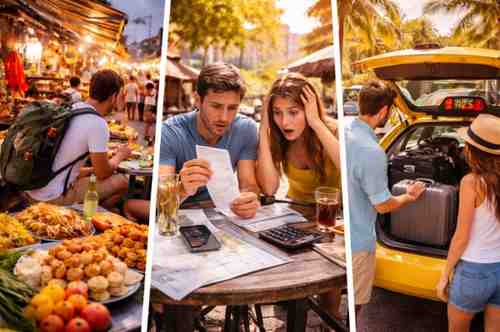
Why Travel Feels More Expensive in 2026 – The Real Reason Behind Rising Costs
Many travelers in 2026 are asking the same question:
“Why does travel feel so expensive now?”
Flights may not have doubled. Hotels may not seem dramatically higher.
Yet somehow, the total trip cost feels heavier than ever.
The answer is not just price increases — it’s a combination of hidden factors, behavioral spending, and structural changes in how travel works today.
The Illusion of Stable Prices
At first glance, travel prices don’t look drastically different.
Flights may fluctuate
Hotels may vary by season
But the problem is not the base price.
It’s everything added on top.
Hidden Cost Layering
Travel today includes multiple cost layers:
Base price
Taxes and service fees
Add-ons and upgrades
Example:
Flight shows: $200
Final price: $260–$300
Hotel shows: $30
Final price: $45
This layering creates the feeling that everything is more expensive.
Micro Spending Has Increased
In 2026, travelers spend more in small amounts.
Coffee: $4
Snacks: $5
Drinks: $8
Daily extra spending:
$15–$30
Over a 7-day trip:
$100–$200 extra
This did not feel significant before — now it accumulates faster.
Convenience Is Costing More
Travelers now prioritize:
Speed
Comfort
Ease
Examples:
Taxis instead of buses
Online bookings instead of local deals
Food delivery instead of street food
Convenience increases daily cost by:
$20–$50
Tourist Pricing Is More Aggressive
Tourist-heavy areas have become more expensive.
Restaurants
Activities
Local transport
Prices can be:
2x higher than local rates
This creates a gap between expected and actual spending.
Social Media Influence
Travel expectations have changed.
People now:
Visit premium cafes
Book aesthetic hotels
Pay for experiences
Even budget travelers spend more to match expectations.
Currency and Payment Effects
Hidden losses come from:
Exchange rates
Card fees
ATM charges
Loss per trip:
$50–$150
This adds to the perception of higher costs.
Travel Frequency Has Increased
People travel more often now.
Short trips
Weekend travel
Multiple destinations
Even if individual trips are small, total yearly spending increases significantly.
The Psychology of Spending While Traveling
When traveling:
People justify spending more
Small purchases feel insignificant
Tracking is reduced
This leads to uncontrolled daily expenses.
Real Cost Comparison (Then vs Now)
Before:
Daily budget: $50
Actual spend: $60
Now:
Daily budget: $70
Actual spend: $110
Difference:
$40 extra per day
Over a week:
$280 extra
Why It Feels Worse Than It Is
Travel is not just more expensive.
It feels more expensive because:
Spending is fragmented
Costs are less visible
Expectations are higher
How to Control Travel Costs in 2026
Track daily spending
Limit convenience expenses
Avoid tourist-heavy zones
Plan activities in advance
Set a strict daily budget
These steps can reduce 20–40% of extra costs.
Final Verdict
Travel in 2026 is not just about higher prices.
It is about how money is spent.
The biggest cost increases are not in flights or hotels — they are in daily behavior, hidden fees, and convenience choices.
If you understand this, you can travel the same way — but spend significantly less